When it comes to maintaining the vast network of railroad tracks that crisscross our landscapes, there’s no room for compromise. Safety, efficiency, and longevity are paramount. When an inspection reveals a section of railroad track that doesn’t meet the stringent standards required, it must be replaced promptly. But how do railroads seamlessly connect new sections to the existing rails, ensuring both functional integrity and structural resilience? This article explores an unconventional but undeniably cool process known as thermite welding that railroads employ to create indelible bonds between rails.
The Need for a Unique Solution:
Traditional welding methods are often impractical in the field, given the sheer scale of the railway network and the remote, unforgiving locations where repairs are needed. The need for a technique that doesn’t rely on high voltages and gas cylinders is clear. However, the rail industry demands something more than practicality—it demands sheer awesomeness and hardcore efficiency. This is where thermite welding takes center stage, making all other welding processes look like mere 4th of July sparklers.
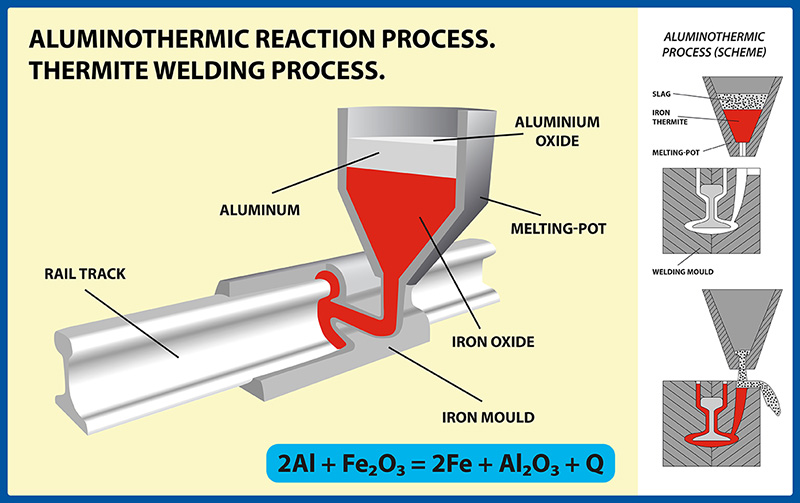
You may recall thermite from your junior high science class. It’s a simple mixture of aluminum powder and iron oxide (rust), seemingly inert until exposed to a high heat source, such as burning magnesium ribbon. What follows is a spectacular exothermic redox chemical reaction, wherein the aluminum powder strips oxygen molecules off the iron oxide. This reaction generates scorching temperatures exceeding 4,000°F, enough to burn a hole in the pavement. For the record, don’t attempt this at home, unless you’re a trained professional or channeling your inner MacGyver.
To weld rails using thermite, crews employ a ceramic crucible placed atop a mold covering the entire rail joint. Once ignited, the thermite reaction erupts in a dazzling display of sparks and flames, soaring high into the air—a spectacle that would impress even the most daring amateur fireworks enthusiasts. Within a short time, the rust powder transforms into molten iron, cascading down into the mold that surrounds the rail, effectively filling any gaps or cavities between the rails.
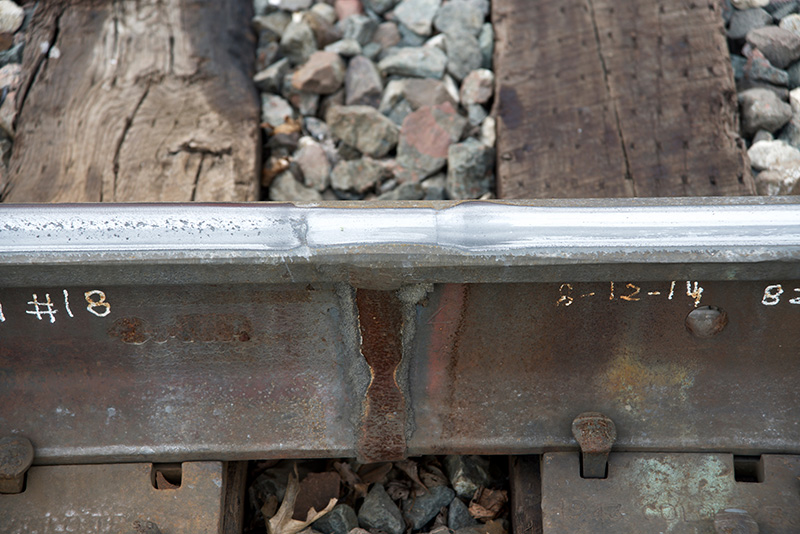
As the molten metals begin to cool and crystallize, they merge at the atomic level, creating an unbreakable, seamless connection. This process effectively turns multiple rails into a single, continuous rail. After further cooling, the disposable molds are shattered with sledgehammers, unveiling the newly joined rail beneath. Specialized machines are then employed to grind away any excess metal left by the mold, meticulously shaping, and honing the rail until all surfaces are sufficiently smooth. This ensures that trains glide along the tracks as if they were on a cushion of air.
While the finishing process may generate copious sparks and noise, it pales in comparison to the hardcore awesomeness of thermite welding. The rail industry’s reliance on this remarkable technique exemplifies its commitment to maintaining a safe, efficient, and seamless railway network. In the world of rail welding, thermite is the fiery, awe-inspiring solution that keeps trains rolling smoothly across vast distances
Has the excitement of the thermite process become old news? Joining steel rails with 4000 degree liquid metal, blasting fountains of sparks into the air just doesn’t get the adrenaline flowing like it did last week? No need to worry, the railroad industry has experts who handle these situations. Introducing the AAR’s Bureau of Explosives. If it is possible to use the terms “regulatory body” and “awesome” in the same sentence, this illustrious group makes it so. But what are they all about?
Established in 1907, the Bureau of Explosives (BOE) was formed as a response to the escalating dangers associated with the use of explosives during the railroad construction surge of the late 1800s and early 1900s. Early attempts to harness the stone-breaking power of existing explosive compounds achieved mixed results at best. Black powder detonates relatively slowly undergoing a process known as deflagration, and it quickly fills the area with thick smoke which creates a number of additional hazards. Also available at that time was Nitroglycerin, a fast, powerful explosive that created very little smoke. Nitroglycerin, unfortunately, is a molecule that just really did not want to hold itself together in that arrangement, resulting in an explosive that will detonate if someone looks at it the wrong way.
Dynamite was invented in 1867 by Alfred Nobel, whose name has become more associated with the awards given for great achievement in science and peace-related activities. Using nitroglycerin combined with diatomaceous earth, the explosive mixture became stable enough that blasting caps were necessary to initiate detonation. With its improved stability and safety, Dynamite rapidly blasted its way into hearts and minds of railroad workers, it revolutionized the construction industry by enabling easier tunneling and land clearing. The utilization of dynamite in the United States experienced a meteoric rise, escalating from a mere 30,000 pounds in 1868 to over 2 million pounds by 1871. However, this increased usage was accompanied by a rash of deadly accidents and explosions during transportation and handling.
Several key incidents likely catalyzed the establishment of the BOE. In 1885, a devastating explosion of a dynamite-laden railroad car in Delaware claimed over 60 lives. This was followed by similar tragedies in Tunnel Hill, Georgia, in 1904 and Starke, Florida, in 1906, with death tolls exceeding 30 and 25, respectively.
In an effort to mitigate these risks, the American Association of Railroads (AAR) founded the BOE, setting standards for the safe transportation of explosives and other hazardous materials by rail. Simultaneously guaranteeing that no other professional organization or regulatory body, would ever have a name with this much gravitas.
As years passed, the BOE’s responsibilities broadened from focusing solely on explosives to encompassing a wider range of hazardous materials. The bureau’s expanded role includes the development of safety regulations for transporting all forms of hazardous materials by rail, from flammable liquids and gases to corrosives, bio-hazards, and radioactive materials. All of which are hard-core enough to warrant their own articles.
Beyond regulation, the BOE also engages in scientific research targeting packaging requirements, train formation, and accident prevention. It offers educational programs and manuals for shippers, carriers, and emergency responders, and collaborates closely with agencies like the Department of Transportation (DOT) and the Federal Railroad Administration (FRA) to advance hazardous materials safety.
Today, the BOE remains a stalwart advocate for safety, continually updating its regulations and guidance to accommodate new products and transportation risks. The bureau’s ongoing efforts have undoubtedly prevented numerous accidents, thereby enhancing the robust safety record of hazardous materials transportation by freight rail. Proving once again, safety is what makes it possible for the rail industry to be this awesome.
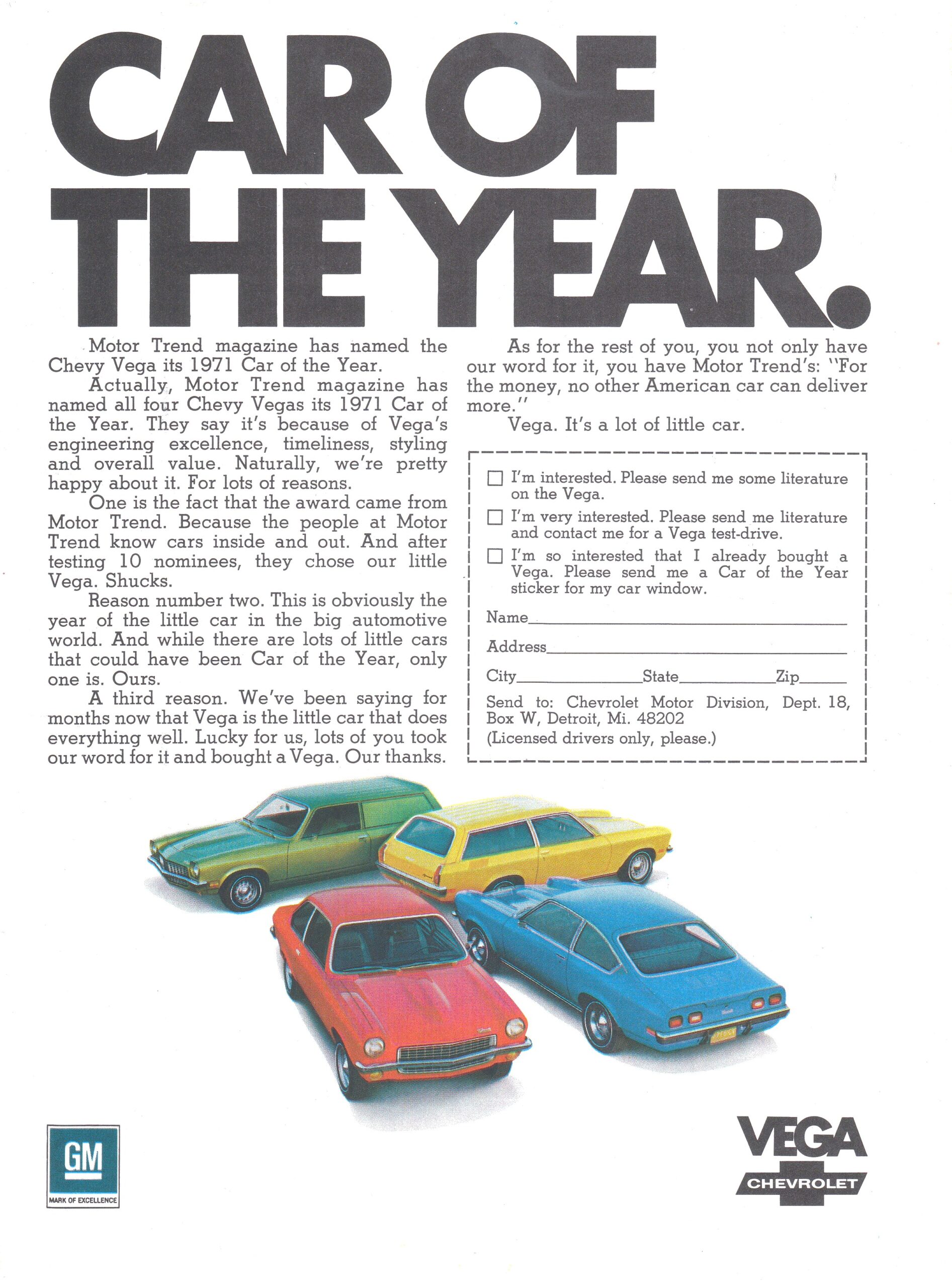
The automotive industry thrives on innovation, with some ideas becoming icons and others vanishing like desert mirages. In the realm of car transportation, few concepts were as unique and short-lived as the Vert-A-Pac railcar. Imagine a train rolling down the tracks, not with dozens of cars neatly lined up, but with 30 Chevrolet Vegas stacked nose-down in vertical compartments. That’s the essence of the Vert-A-Pac, a brainchild of the late 1960s born from a collaboration between General Motors and Southern Pacific Railroad.
Packing ’em in Like Sardines with a Twist:
Fueled by a desire for efficiency and cost-cutting, the Vert-A-Pac aimed to squeeze more Chevy Vegas onto a single railcar than ever before. Traditional tri-level autoracks could handle around 18 cars, but the Vert-A-Pac doubled that figure with its ingenious vertical stacking system.
Think of it as a high-rise parking garage for trains. The Vert-A-Pac wasn’t your ordinary flatcar. It was a modified beast, equipped with hinged doors on each side that folded down to create ramps for loading. Each Vega sported four special sockets on its undercarriage, like little mechanical hands, that perfectly aligned with corresponding hooks on the ramp doors. Once all the cars were loaded onto the ramps, a burly forklift swung into action, lifting and closing the doors. This secured the Vegas in their vertical position, noses pointing towards the tracks below, like fighter jets awaiting launch. To prevent any engine hiccups during the journey, the Vega’s engine had a special baffle, and its fuel tank only received a half-hearted fill-up.
Efficiency with a Dose of Quirks:
The Vert-A-Pac offered several advantages that made it the belle of the transportation ball:
• Increased Efficiency: More cars per railcar meant lower costs for Chevrolet, a symphony to any accountant’s ears.
• Faster Delivery: The efficient loading and unloading process meant Vegas reached dealerships quicker, like impatient racehorses at the starting gate.
• Reduced Damage: The vertical positioning minimized the risk of bumps and scratches during transport, keeping the Vegas looking showroom-fresh.
However, the Vert-A-Pac wasn’t without its quirks, like a car with a personality:
• Limited Compatibility: This was no one-size-fits-all solution. The system was only designed for the Vega, making it as exclusive as a velvet rope nightclub for other car models.
• Unloading Challenges: Unloading required a forklift, a more time-consuming and expensive affair compared to simply rolling cars off a ramp.
• Safety Concerns: Some raised eyebrows about the safety of transporting cars nose-down, especially in case of accidents. Imagine a game of Jenga gone wrong, but with metal and glass.
A Short-Lived Chapter, but a Legacy of Innovation:
Ultimately, the Vert-A-Pac’s fate was tied to the Chevrolet Vega’s. As the Vega’s popularity plummeted and production ceased in 1977, the Vert-A-Pac became an obsolete curiosity, like a faded polaroid from a bygone era. Most of the cars were scrapped, while the flatcar chassis were repurposed for other uses.
But the Vert-A-Pac’s story isn’t just a footnote in automotive history. It’s a testament to the spirit of innovation that drives both industries, even if the resulting solutions don’t always stand the test of time. For Salco Products, the Vert-A-Pac offers a valuable perspective on the ever-evolving landscape of railcar parts and components. It highlights the need for adaptability and ingenuity in catering to the changing demands of the transportation industry.
Beyond the Vega: A Glimpse into the Future?
While the Vert-A-Pac may be primarily associated with the Chevrolet Vega, its legacy extends beyond a single car model. The concept of vertical car transport continues to inspire innovation, with modern iterations aiming to address the limitations of its predecessor. Who knows, the future might hold a revival of the Vert-A-Pac concept, adapted for the needs of contemporary vehicles and transportation systems. Imagine a sleek, modern version gracing the tracks, a nod to the past with an eye on the future.
We hope this blog post has piqued your interest in the curious tale of the Vert-A-Pac. If you’re looking for more unique stories from the world of transportation history, be sure to explore the rich resources available at Salco Products. With our extensive knowledge and dedication to quality, we’re committed to keeping the wheels of innovation turning, even if they’re sometimes stacked nose.
Trains have been an integral part of our transportation system for centuries, revolutionizing the way we move people and goods across vast distances. Their efficiency, capacity, and reliability have made them the backbone of land transportation, and their iconic design has become synonymous with progress and modernity.
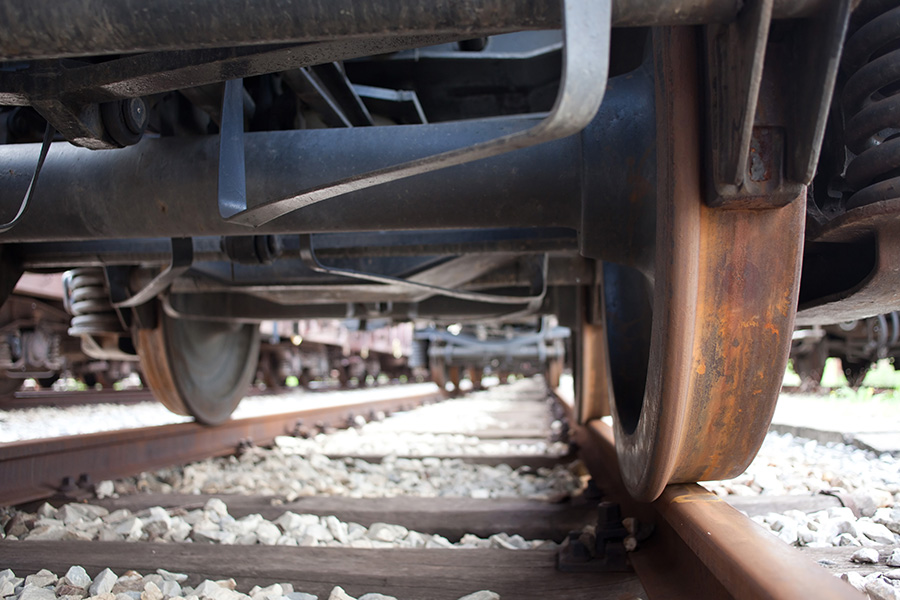
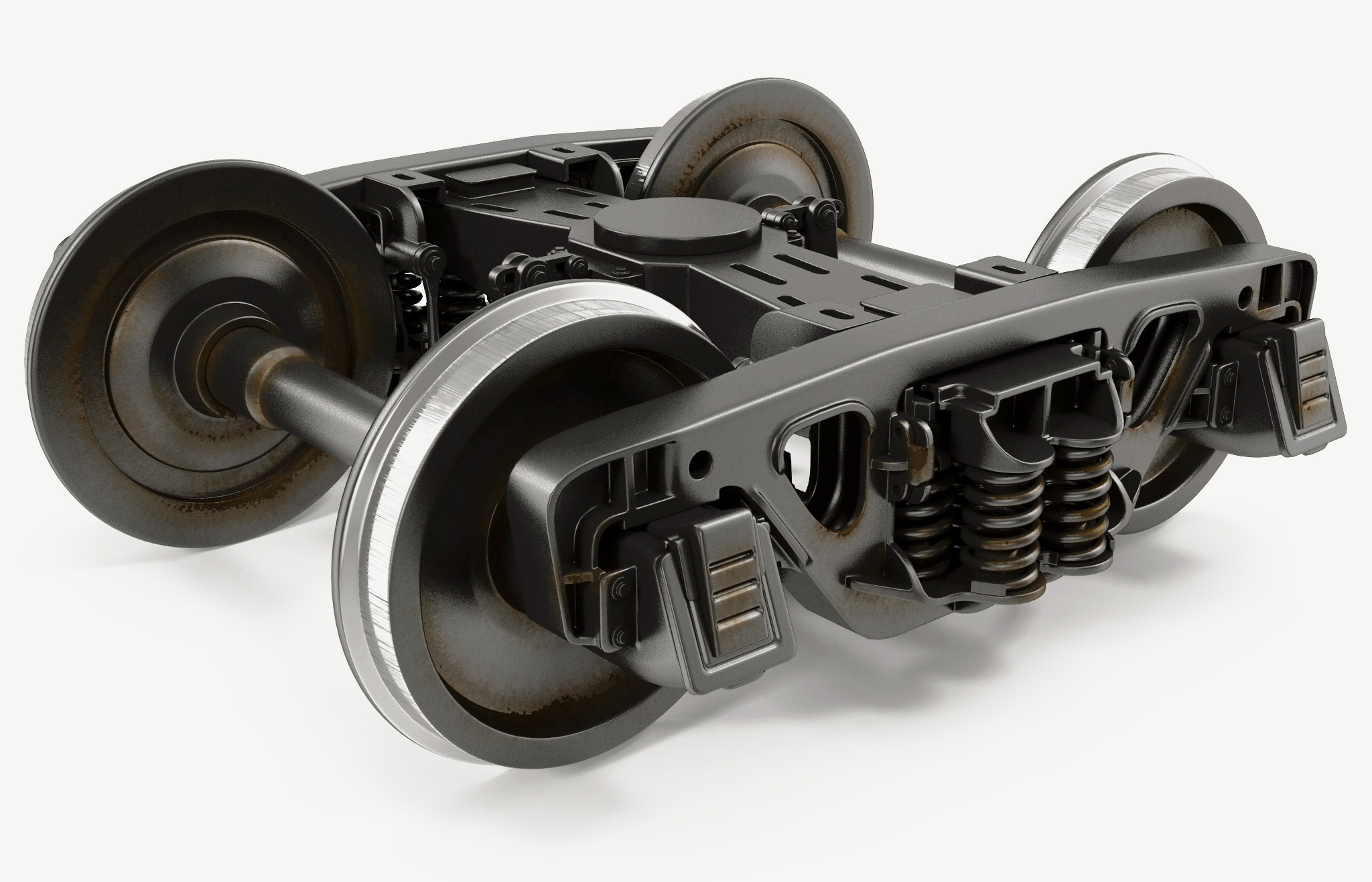
One of the most distinctive features of train wheels is their conical shape. While this may seem like a simple design choice, the conical shape of train wheels is actually a result of complex engineering principles and serves a crucial role in ensuring the safety and stability of trains.
The Physics Behind the Conical Shape
The conical shape of train wheels is based on the principle of leverage. As the wheel turns, the contact point between the wheel and the track shifts, creating a lever arm. This lever arm amplifies the force of the flange, causing the wheel to pivot back towards the center of the track.
The angle of the cone is carefully designed to balance the self-centering force with the need for smooth transitions between straight and curved tracks. Too shallow an angle will not provide enough self-centering force, while too steep an angle can cause excessive wear and tear on the wheels and track.
The conical shape of train wheels is a testament to the ingenuity and precision of engineering. This seemingly simple design choice plays a critical role in ensuring the safety and stability of trains, allowing them to navigate complex rail networks with efficiency and reliability.
The Conical Shape and Its Benefits
The conical shape of train wheels provides several key benefits that are essential for safe and efficient rail travel:
1. Self-centering force: The conical shape creates a self-centering force that keeps the wheels aligned with the track, even on curves. This is because the contact point between the wheel and the track shifts as the wheel turns, creating a force that pulls the wheel back towards the center of the track. This self-centering force is crucial for preventing derailments, especially on sharp curves.
2. Smoother transitions between straight and curved tracks: The conical shape allows the wheels to transition smoothly between straight and curved tracks without causing sudden jolts or impacts. This is because the wheel’s flange, which is the raised edge on the inner side of the wheel, gradually engages with the track as the wheel turns, providing a smooth transition.
3. Reduced wear and tear: The conical shape helps to distribute the weight of the train more evenly across the wheel surface, reducing wear and tear and extending the lifespan of the wheels.
4. Improved stability on uneven tracks: The conical shape also provides better stability on uneven tracks, as the wheels can conform to minor irregularities in the track without losing contact.
Check out this video further explaining the conical shape of train wheels.
To see how Salco Products Inc.’s parent company, A. Stucki Company, can help provide new and reconditioned locomotive wheel sets, axles, and roller bearings, please visit stucki.com
Since its inception, the railroad industry has been the focus of countless pieces of state and federal legislation. Many have measurably improved safety and decreased risks to the environment and public health. Some of these initiatives have been driven by questionable political and financial motives, as well as lobbying by special interest groups. And some were undoubtedly a combination of the two.
Salco Products understands the impact this ever-changing web of regulations and mandates can have on railroad companies and the suppliers and supporting businesses keeping them on track. Salco’s Regulatory Compliance Group has the experience and up to date knowledge to ensure your equipment and processes are fully compliant with all applicable requirements.
HM-251 FAST Act: A Comprehensive Overview of Rail Safety Regulations and Deadlines
The HM-251 FAST Act (Fixing America’s Surface Transportation Act) was enacted in 2015 to address a range of transportation-related issues, including rail safety. One of the primary concerns addressed by the legislation was the safety of transporting hazardous materials, particularly flammable liquids like crude oil and ethanol, by rail.
In this article, we will take a look at the reasons behind the change in regulations, the specific measures being implemented, and the deadlines for railroads and tanker car owners to upgrade, retrofit, or replace their fleet to be in compliance with the FAST Act.
Reasons Behind the Change in Regulations
The increase in the production and transportation of crude oil and ethanol in North America has led to a rise in the number of tanker cars carrying these hazardous materials across the continent. This increase in rail traffic has increased the overall probability of derailments, spills, and explosions.
Additionally, several high-profile accidents in recent years have exposed the vulnerabilities of the existing tanker car fleet and the need for improved safety measures.
Specific Measures Being Implemented
The HM-251 FAST Act introduced new regulations to enhance the safety of rail transportation of flammable liquids, including:
New Tank Car Standards: The new standard for tank cars, known as DOT-117, are designed with thicker shells, better thermal protection, and improvements to top and bottom fixtures, reducing the likelihood of punctures or leaks in the event an accident. Existing DOT-111 and CPC-1232 tank cars must be retrofitted to meet the DOT-117R standard or replaced with new DOT-117 tank cars.
Enhanced Braking Systems: The new rules require the installation of electronically controlled pneumatic (ECP) braking systems on trains transporting hazardous materials. ECP brakes provide faster and more uniform braking, reducing the risk of derailments and accidents.
Reduced Operating Speeds: Trains carrying large volumes of flammable liquids must adhere to reduced speeds in high-threat urban areas and areas with a population of 100,000 or more people. Improved Rail Routing: Railroads are required to perform comprehensive risk assessments and identify the safest routes for transporting hazardous materials, taking into account factors such as population density, environmental sensitivity, and infrastructure quality.
Increased Inspections and Maintenance: The HM-251 FAST Act mandates more frequent inspections and better maintenance practices for both tracks and tanker cars, ensuring that potential issues are identified and addressed before they can lead to accidents.
Enhanced Emergency Response: Railroads are required to develop and implement comprehensive emergency response plans to minimize the impact of potential incidents involving hazardous materials. This includes providing training and resources for local emergency responders, as well as ensuring clear communication and coordination between all relevant parties in the event of an emergency.
Deadlines for Railroads and Tanker Car Owners
The HM-251 FAST Act established a phased schedule for compliance, with deadlines for railroads and tanker car owners to upgrade, retrofit, or replace their fleets:
Upcoming Deadlines
May 1, 2025: All tank cars carrying Packing Group III materials must be retrofitted to meet DOT-117R standards or replaced with new DOT-117 tank cars.
Past Deadlines:
January 1, 2018: All newly manufactured tank cars transporting hazardous materials must meet the DOT-117 or DOT-117R standards.
July 1, 2020: All tank cars carrying Packing Group I (the highest hazard level) materials must be retrofitted to meet DOT-117R standards or replaced with new DOT-117 tank cars.
July 1, 2023: All tank cars carrying Packing Group II materials must be retrofitted to meet DOT-117R standards or replaced with new DOT-117 tank cars.
Fines for Non-Compliance
The number of fines for non-compliant tank cars can vary depending on the specific circumstances and the severity of the violation. According to the Federal Hazardous Material Transportation Law (49 U.S.C. § 5123), civil penalties for violations of hazardous materials transportation regulations can range from a minimum of $450 per violation to a maximum of $81,993 per violation (as of 2020). In the case of violations that result in death, serious illness, severe injury, or substantial property damage, the maximum civil penalty can be as high as $191,316 per violation. It is important to note that these figures represent the general penalty ranges for violations of hazardous materials transportation regulations and are subject to change due to inflation adjustments or updates to the law. The actual fines imposed for non-compliant tank cars may vary depending on the specific circumstances, the degree of non-compliance, and the discretion of the enforcement agency. While the updated standards for hazmat tanker cars help ensure that they won’t spill their contents during a derailment, preventing derailments in the first place has proven to be more challenging. One of the proposed rule changes addressing this wider issue has been the subject of ongoing debate amongst politicians and stakeholders. I am referring of course to:
Electronically Controlled Pneumatic (ECP) Brakes
The Enhanced Braking Systems mentioned in the HM-251 FAST Act primarily refer to Electronically Controlled Pneumatic (ECP) brakes on trains transporting hazardous materials. ECP brakes represent a significant advancement over the traditional air brake systems used in most trains.
In traditional air brake systems, the brake signal is transmitted sequentially from one car to another, leading to delayed and uneven application of brakes throughout the train. When brakes are applied unevenly; some cars may experience excessive pulling or compressing forces, leading to wheel or rail damage, and increasing the risk of derailments.
By contrast, ECP systems transmit the braking command instantaneously to all cars, resulting in more uniform and synchronized braking, The system also provides real-time data on the performance and status of the brakes, allowing operators to identify and address potential issues more efficiently.
The cost of upgrading a single car to ECP brakes can range from $8,000 to $12,000, while the cost of implementing the system for an entire train can reach hundreds of thousands of dollars. Also, it is important to note that this figure doesn’t include costs associated with training or maintenance on the equipment.
The ECP brake requirement has been subject to some debate and controversy, with industry stakeholders citing the high costs of implementation and the potential for alternative braking technologies. Amid ongoing discussions and evaluations of the matter, future revisions or amendments to the regulation remain a possibility. Nevertheless, as of 2023, railroads transporting hazardous materials are still expected to comply with the Enhanced Braking Systems requirement outlined in the HM-251 FAST Act.
The HM-251 FAST Act is a significant step forward in improving the safety of rail transportation of hazardous materials. The new regulations will help to reduce the risk of derailments, spills, and explosions, and protect public safety.
Are you a railroad or tanker car owner? Do you need help complying with the HM-251 FAST Act? Contact Salco Products today. We have the experience and expertise to help you stay compliant and keep your operations safe.
In the freight rail industry, hopper cars are ubiquitous in the transport of a diverse array of dry bulk materials. These differ in both form and function, each designed to deal with various physical properties of the materials they will be carrying. Two common examples of these differences are seen in cars referred to “air slide” and “pressure differential” type hopper cars. And wouldn’t you know it, Salco Products just happens to be the manufacturer of a variety of top-quality AAR approved parts and accessories specifically for these two car types. So let’s briefly explore these work horses of the rails.
As is the case with many things, loading the cargo up on top is pretty straightforward. But when it comes time to push that cargo out the bottom end, things can get a little more complicated. If it comes out too fast in an uncontrolled manner, some unfortunate soul is going to have a terrible mess to clean up. On the other hand, dense material comes out slowly, or sometimes not at all.
The aforementioned air slide and pressure differential type hopper cars both address these bottom-side unloading issues in different ways and are used for different materials. Without getting bogged down in the minutiae of fluid dynamics, here is a brief overview of how air is used to unload each car type.
Air Slide Hopper Cars: Fluidizing Bulk Materials
Air slide hopper cars utilize a combination of gravity and fluidization to unload bulk materials. The interior of these cars features a sloping floor lined with a porous, air-permeable fabric. Compressed air is introduced through this fabric, causing the material to fluidize, or behave like a fluid, and flow more easily. This air-assisted movement facilitates the discharge of the material from the rail car through outlets at the bottom.
This type of car is used mainly to transport fine-grained, powdered, or granular materials that are prone to compaction, clumping, or sticking, air slide hopper cars ensure that these materials flow smoothly during the unloading process. Common materials transported using air slide hopper cars include cement, fly ash, flour, alumina, and gypsum.
Pressure Differential Hopper Cars: Air Pressure Wins Again
In contrast, pressure differential hopper cars employ pressure differences to push bulk materials out of the car. This pressure differential is generated between the interior and exterior of the car, using either vacuum or air pressure. This force drives the material through outlets at the bottom of the rail car, making the unloading process generally faster and more efficient than other methods. These hopper cars often feature rounded, enclosed interiors and are tightly sealed to minimize product contamination and loss.
Best suited for materials that are not sensitive to compaction or clumping, pressure differential hopper cars offer a faster and more efficient unloading process, especially for large quantities of material. Commonly transported materials using pressure differential hopper cars include plastic resin pellets, grain, coal, sand, and gravel.
Salco Products offers a complete line of accessories and parts for both types of hopper cars, for loading and unloading, safety and compliance. Find what you need now!
The Railroad Industry’s Commitment to Safely Transporting Hazardous Materials
Railroads play a critical role in transporting hazardous materials (hazmat) that are essential to modern life, from chemicals used to treat drinking water to those used in fertilizers and other industrial processes. While recent high-profile incidents have raised public concerns, the railroad industry, in fact, has a remarkably low accident rate compared to other modes of freight transport. According to the Association of American Railroads (AAR), over 99.99% of hazmat shipments reach their destination without incident.
That hasn’t stopped the continuous efforts to further improve upon this stellar track record. The railroad industry, along with related professional organizations and government regulatory bodies, have worked together to identify and mitigate potential causes of hazmat releases. In fact, between 1980 and 2017, railroads cut their hazmat accident rate by 91%[1].
Here are some of the significant changes that have resulted in improvements to hazmat safety:
Stringent Tank Car Standards: Thanks to advocacy from the AAR and railroads, several new federal regulations since 2015 require sturdier, safer tank cars for transporting flammable liquids like crude oil and ethanol[2]. Older, less crash-resistant tank cars are being phased out on an aggressive timeline.
Routing Analysis: Railroads use sophisticated software called the Rail Corridor Risk Management System (RCRMS) to identify the safest possible routes for hazmat shipments. RCRMS analyzes 27 different risk factors to minimize exposure for communities along the route[3].
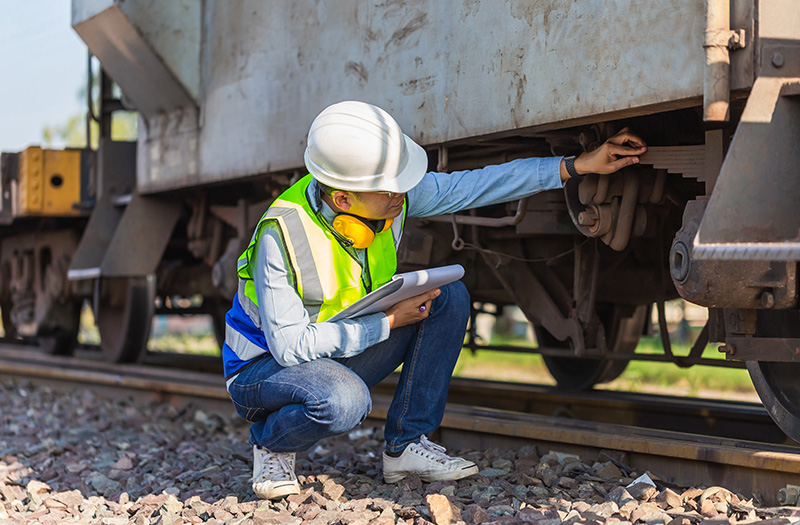
Track & Equipment Inspections: Using track-side detectors, ground penetrating radar, ultrasound and other technologies, railroads inspect their infrastructure and equipment far more frequently than federal standards require[4]. This preemptive approach to maintenance prevents incidents before they happen.
First Responder Training: In partnership with the Federal Emergency Management Agency (FEMA), railroads operate the Security and Emergency Response Training Center (SERTC). To date, SERTC has trained over 56,000 first responders from all 50 states and Canada on safe hazmat response[5].
Information Sharing: AskRail, a mobile app developed by the AAR, provides first responders immediate, real-time access to information on the hazardous contents of any rail car at an incident site[6]. Over 35,000 first responders currently have access to AskRail.
New Technologies Coming On Line: Electronically controlled pneumatic (ECP) brakes, positive train control (PTC), and programs to identify and remove defective wheel components before they fail. New AI tools will help optimize safety-critical tasks such as traffic monitoring, predictive maintenance alerts, and determining the safest position for certain cars along the length of trains.
Salco Products, as a manufacturer of rail car equipment designed for the safe transportation of certain hazardous materials, is a proud partner and supporter of the industry’s ongoing efforts to minimize negative environmental impacts resulting from freight rail traffic.
In the landscape of industrial materials, Ultra-High-Molecular-Weight Polyethylene (UHMWPE) is a standout. This high-strength thermoplastic polymer, also known as high-modulus polyethylene (HMPE), is revolutionizing industries with its unique blend of strength, durability, and versatility.
UHMWPE’s strength lies in its long molecular chains, which allow for effective load transfer. This results in a material with the highest impact strength of any thermoplastic currently produced. It’s not just strong, but it’s also versatile, finding applications in bearings, wear plates, and rollers.
UHMWPE’s unique properties include high strength, excellent impact resistance, and high abrasion resistance. Its low coefficient of friction makes it ideal for applications involving friction, sliding motion, or wear. Its high chemical resistance makes it suitable for use in harsh environments, and its flexibility in low temperatures and non-toxicity make it safe for food contact and even medical implants.
UHMWPE is produced from regular polyethylene through a process called chain stretching. This process increases the chain length and molecular weight of the polymer, enhancing its strength. However, it’s important to note that increasing the polymer’s stretch can negatively affect its flexibility and impact resistance properties.
At Salco Products Inc, we’re not just in the business of innovation, we’re in the business of revolutionizing industries. While others in the rail industry rely on heavy metals, we’re harnessing the power of UHMWPE. Its resistance to corrosive chemicals, extremely low moisture absorption, very low coefficient of friction, and self-lubricating nature make it an ideal choice for many different jobs. It is also highly resistant to abrasion, being 15 times more resistant to abrasion than carbon steel.
We use the highest quality UHMWPE materials in our Hazarsolve products, a complete line of corrosion-resistant fluid and vapor transfer equipment designed specifically for the Chlor-Alkali chemical market. We also utilize UHMWPE in innovative ways by combining it with traditionally metal-made products. This results in products that are lighter, stronger, longer-lasting, and more chemical resistant than their traditional counterparts, providing an improved experience for the end user.
Some of the ways we utilize the superior properties of UHMWPE include:
• Forming whole products such as Pipe Fittings, Eduction Tubes, Surge Protectors, Parallel Instrument Tees, Piping, and Flanges.
• Providing protective linings for parts such as Spools, Fill Hole Covers, Hammer Unions, Blind Flanges, and Fittings Plate Fill Holes.
• Improving existing products. For instance, our Bottom Outlet Valve Handles utilize UHMWPE to provide an improved bearing surface on which the handle operates.
In the world of high-performance materials, UHMWPE is a game-changer. Its unique properties and versatility make it an asset in various industries, from manufacturing to medical applications. As we continue to innovate and push the boundaries of what’s possible, UHMWPE will undoubtedly play a significant role in shaping the future of industrial applications.
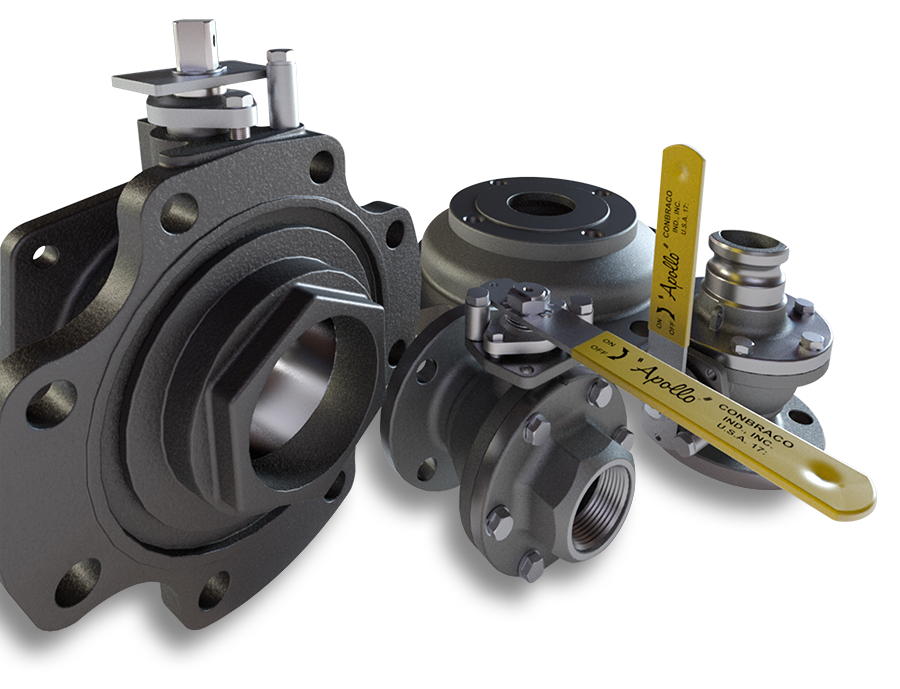
Within the tank car industry, ball valves are frequently employed to control the flow of liquids or gases in and out of the tank. These valves are typically installed at the bottom outlets or on the top of the tank for filling or emptying operations. The ball valve’s design allows for efficient and reliable control of the product flow, ensuring proper loading, unloading, and in-transit operations.
Here are a few reasons why ball valves are preferred on tank cars:
Quick and reliable operation: Ball valves have a quarter-turn operation, meaning they can be fully opened or closed with just a 90-degree rotation. This allows for faster response times, which is crucial in controlling the flow of fluids or gases in freight train applications.
Durability: Freight trains operate in demanding environments with constant vibration, changes in pressure, and exposure to various weather conditions. Ball valves are known for their robust construction and ability to withstand such harsh conditions without significant wear or failure.
Minimal leakage: Ball valves provide a tight seal when closed, minimizing the risk of leakage. This is especially important in freight train applications, as any fluid or gas leaks can be hazardous and may lead to safety issues or operational inefficiencies.
Ease of maintenance: Ball valves are relatively simple in design, consisting of fewer moving parts compared to other valve types. This simplicity makes them easier to maintain and repair. When maintenance or servicing is required, the ball valve can be quickly disassembled, allowing for efficient inspection, cleaning, and replacement of components if necessary.
Cost-effectiveness: Considering their long lifespan, durability, and ease of maintenance, ball valves offer a cost-effective solution for freight train operations. While they may have a higher upfront cost compared to some other valve types, their extended service life and reduced maintenance needs often make them more economical in the long run.
These characteristics are essential for maintaining the integrity and safety of the transported commodities and preventing any accidents or environmental hazards during rail transportation.
Apollo® is the brand of ball valves made in the U.S. with the best delivery times in the industry. Manufactured in ISO-registered and AAR-certified facilities means never having to compromise on performance or reliability. Designed and built in Aalberts integrated piping systems ISO-9001 registered U.S. facilities, these valves feature corrosion-resistant bodies and internal components that offer extended service life. They are manufactured to stringent specs and approved by the Association of American Railroads(AAR).
As the exclusive distributor of Apollo® valves for the transportation industry, Salco Products Inc has many different arrangements, materials, and sizes in stock for immediate shipment.
In the rail industry, a “non-accident release” refers to an unintentional discharge or release of hazardous materials or substances during transportation. It typically involves the escape of hazardous materials from a railcar or container, which can pose risks to human health, safety, and the environment.
Non-accident releases can occur due to various factors such as equipment failures, leaks, improper handling or loading, human error, or other unforeseen circumstances. These releases can involve a wide range of hazardous materials, including chemicals, gases, flammable liquids, or other substances that are regulated due to their potential to cause harm.
When a non-accident release occurs, it triggers emergency response protocols and requires immediate action to mitigate the impact and minimize the risk to public safety and the environment. Rail companies are typically prepared to handle such incidents and have procedures in place to contain and clean up the released materials promptly.
Government agencies, such as the Federal Railroad Administration (FRA) in the United States, have regulations and guidelines in place to ensure the safe transportation of hazardous materials by rail and to address non-accident releases. These regulations encompass areas such as proper packaging, labeling, handling, and emergency response planning to prevent or mitigate the consequences of unintentional releases. Overall, non-accident releases are a significant concern within the rail industry, and efforts are continuously made to prevent such incidents and enhance the safety and security of hazardous material transportation.
At Salco Products Inc., we are committed to the safe transportation of hazardous liquids using railroad tank cars. Understanding the causes of spillage and leakage is crucial for preventing environmental hazards and ensuring the integrity and efficiency of these vital transportation vessels. In this post, we present a list of the top 10 causes of spillage and leakage that are unrelated to any major accident or derailment, yet still require regular attention and maintenance.
1. Manway Bolts Loose (25%): Loose manway bolts can compromise the seal, leading to potential leaks. Regular inspection and tightening of these bolts are essential to maintain the integrity of the tank car.
2. Manway – Gasket Deteriorated (7%): Over time, gaskets can deteriorate, increasing the risk of leakage. Routine checks and replacement of deteriorated gaskets are crucial for preventing spills.
3. Other (4%): While uncommon, miscellaneous factors such as equipment malfunction or human error can contribute to spillage. Vigilance and thorough maintenance practices help minimize these occurrences.
4. Manway – Gasket Misaligned (4%): A misaligned gasket can result in an imperfect seal, potentially leading to leaks. Proper alignment and regular inspection are key to preventing this issue.
5. Vapor Line – Plug Loose, Valve Open (3%): Loose plugs and open valves in the vapor line can cause an unintended release of hazardous materials. Ensuring proper closure and securing of these components is essential for safe operations.
6. BOV – Cap Loose, Valve Closed (3%): Loose caps and closed valves in the Bottom Outlet Valve (BOV) system can lead to leakage. Regular checks and proper tightening of caps are necessary to prevent spills.
7. Manway – Gasket Missing (3%): A missing gasket compromises the integrity of the tank car’s seal, increasing the risk of leakage. Simple, brief inspections and replacement of missing gaskets are critical for safe transportation.
8. Manway – Pressure Plate, Bolts Loose (2%): Loose pressure plate bolts can affect the effectiveness of the seal. Regular maintenance and tightening of these bolts help prevent leaks.
9. Liquid Line – Plug Loose, Valves Open (2%): Loose plugs and open valves in the liquid line can result in an unintended release. Secure closure and proper valve operation is vital to prevent spills.
10. Liquid Line – Mounting Flange, Bolts Loose (2%): Loose bolts in the mounting flange of the liquid line can compromise the seal, leading to potential leakage. Inspection and tightening of these bolts are essential for maintaining them in proper working condition.
While smaller releases of liquid, hazardous or otherwise, from tank cars left in disrepair can accumulate over time, it is crucial to note that catastrophic derailments with large uncontrollable releases pose comparatively significant environmental risks. Nonetheless, addressing these frequently overlooked, but significant causes of spillage and leakage is critical to maintaining the safety and reliability of railroad tank cars.
Efficient railcar unloading is vital for businesses in industries such as agriculture, chemicals, and energy. It ensures a smooth and timely transfer of goods, minimizing operational downtime and maximizing productivity. At Salco Products, we understand the challenges faced during the unloading process and offer innovative solutions to optimize your operations. In this blog post, we will explore the benefits and features of Salco Products’ tank car unloading adapters, which have revolutionized the railcar unloading experience since their development in 1996.
1. Enhanced Safety and Efficiency:
Salco’s unloading adapters were engineered with safety and efficiency in mind. Designed to facilitate the unloading of various liquid commodities, our adapters ensure a secure connection between the railcar and the unloading equipment. This reduces the risk of spills, leaks, and accidents, enhancing both safety and productivity.
2. Versatile and Customizable Solutions:
We understand that every industry and operation has unique requirements. That’s why our unloading adapters come in a wide range of configurations and sizes to accommodate different railcar designs and commodities. From top unloading to bottom unloading, we offer adaptable solutions tailored to your specific needs.
3. Innovative Features for Seamless Operation:
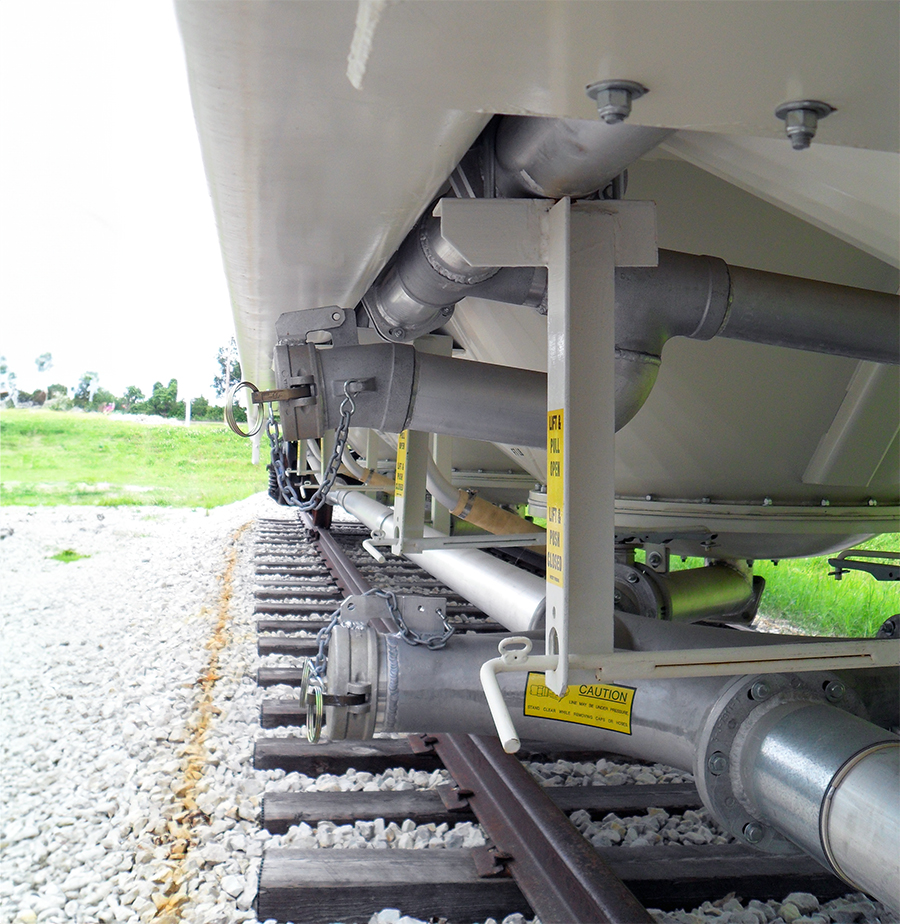
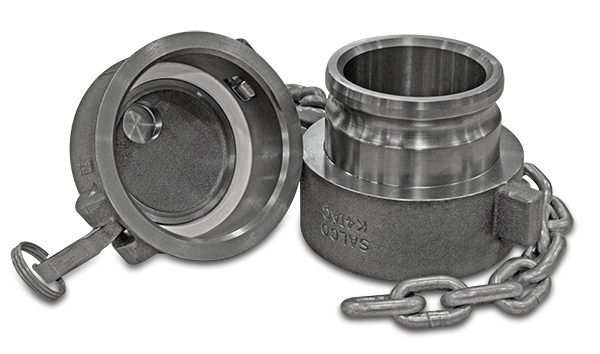
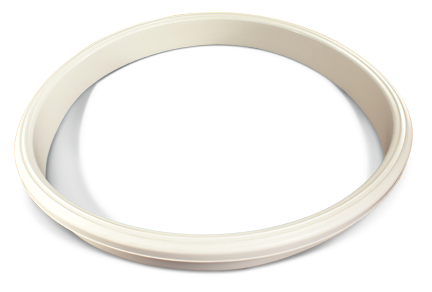
Salco Products’ unloading adapters are equipped with innovative features that simplify the unloading process. Examples include cap and adapter seals that create a tight connection, preventing product loss through leaks. The male quick-connect adapter allows for easy installation and removal, saving valuable time during unloading operations.
4. Durability and Longevity:
Railcar unloading environments can be challenging, with harsh weather conditions and heavy-duty usage. Salco Products’ unloading adapters are built to withstand these demanding environments, using high-quality materials that ensure longevity and durability. Our adapters are designed to resist corrosion, wear, and impact, providing a reliable solution for your railcar unloading needs.
Expert Support and Service:
At Salco Products, we pride ourselves on our exceptional customer support. Our team of knowledgeable professionals is ready to assist you with product selection, installation guidance, and ongoing maintenance. We are committed to ensuring that your railcar unloading operations run smoothly and efficiently.
To learn more about our unloading adapters and explore how they can benefit your business, visit our website or contact our team today. Let us partner with you to achieve seamless railcar unloading and drive success in your operations.
Don’t miss out on the latest updates and industry insights. Subscribe to our newsletter to stay informed about the latest innovations and solutions from Salco Products.
Gasket materials play a vital role in creating effective seals that prevent leaks and ensure the integrity of fluid and gas containment. With their diverse properties, different gasket materials offer unique advantages in terms of resistance to heat, pressure, chemicals, and abrasion. In this post, we will delve into the features and applications of some common gasket materials, shedding light on their functionalities and the scenarios in which they excel.
Black Butyl: Synthetic Rubber Versatility
Black butyl is a synthetic rubber material renowned for its excellent resistance to water, steam, oxygen, ozone, and sunlight. Its low permeability to gases and remarkable vibration damping capabilities make it a reliable choice for various applications, including vacuum seals, tank linings, and window seals.
Black EPDM: Weathering the Elements
Another synthetic rubber material, black EPDM, boasts exceptional resistance to water, steam, ozone, and weathering. Alongside its good electrical insulation properties and flexibility, black EPDM finds utility in outdoor gaskets, hoses, and roofing membranes, where durability and adaptability are crucial.
Black Viton A: High-Temperature Resilience
Black Viton A, a fluorocarbon rubber material, stands out for its outstanding resistance to high temperatures, oils, fuels, solvents, and chemicals. With good mechanical strength and low compression set, it is a preferred option for sealing engines, pumps, valves, and chemical processing equipment.
Black Viton B: Enhanced Chemical Resistance
Similar to Black Viton A, black Viton B offers improved resistance to acids and bases. This material exhibits higher tensile strength, elongation, and durability, making it ideal for sealing corrosive fluids, pharmaceuticals, and food processing equipment.
Blue Nitrile: Versatile Synthetic Rubber
Blue nitrile, a synthetic rubber material, showcases good resistance to oils, fuels, solvents, and water. Its high abrasion resistance and low gas permeability make it a reliable choice for applications such as oil seals, gaskets for fuel systems, and gloves.
Blue Peroxide Cured EPDM: Heat-Aging Resistant
Blue peroxide cured EPDM, a synthetic rubber material similar to black EPDM, offers enhanced resistance to heat aging and compression set. With better color stability, lower odor, and reliable sealing properties, it finds application in seals for hot water systems, steam sterilizers, and food processing equipment.
Similar to its blue counterpart, purple peroxide cured EPDM boasts resistance to heat aging and compression set. What sets it apart is its distinctive purple color, allowing for easy identification. It is commonly used in seals for pharmaceuticals, biotechnology, and medical devices.
White FDA Nitrile: Compliance with Food Standards
White FDA nitrile, a synthetic rubber material akin to blue nitrile, adheres to FDA standards for food contact. Its white color ensures suitability for sanitary applications. Gaskets for food and beverage equipment, dairy products, and cosmetics commonly utilize this material.
These gasket materials represent a selection of the most commonly used options available in the market. Depending on the specific requirements of your application, choosing the right material or a combination of materials is crucial to achieve optimal performance. For a comprehensive understanding of gasket materials and their selection criteria, we invite you to visit our website and explore our range of gaskets. Contact us today to find the perfect sealing solution for your needs.
*While we may possess a wealth of knowledge and expertise in various industries, it is crucial to recognize that each commodity or application has unique requirements and considerations. Gasket selection involves multiple factors such as temperature, pressure, chemical compatibility, and operational conditions that vary from one scenario to another. Therefore, it is essential to consult with a qualified professional, such as a Chemical Engineer or Materials Specialist, to obtain accurate advice on gasket material suitability for your specific needs.”